
Root Canal Treatment
Save Your Natural Tooth and Relieve Dental Pain
A severe toothache or persistent sensitivity may be a sign that the inner pulp of your tooth has become infected or inflamed. Root canal treatment, also known as endodontic therapy, is a highly effective procedure that removes the infection, relieves pain, and saves your natural tooth from extraction.
At our practice, we use modern techniques and advanced technology to make root canal treatment as comfortable and efficient as possible. Contrary to common belief, root canal therapy is designed to eliminate pain—not cause it.
What Is Root Canal Treatment?
Inside every tooth is a soft tissue called the dental pulp, which contains nerves, blood vessels, and connective tissue. When the pulp becomes infected or damaged due to deep decay, cracks, trauma, or repeated dental procedures, bacteria can spread through the root canals and into the surrounding bone.
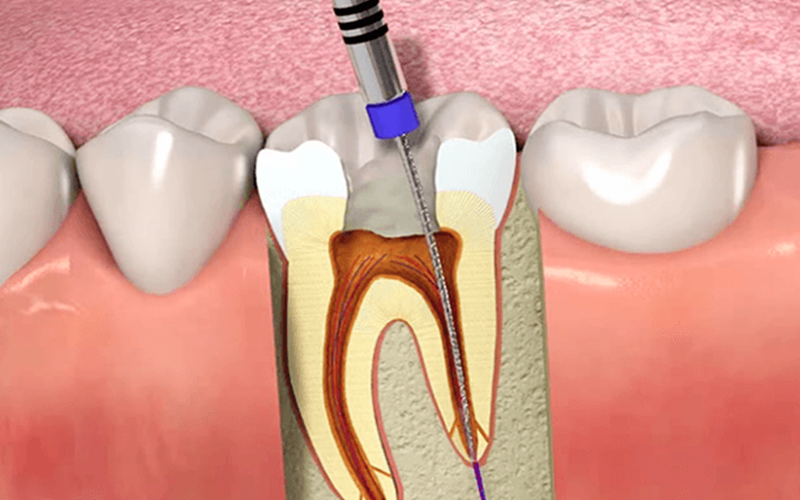
Root canal treatment removes the infected pulp, thoroughly cleans and disinfects the root canals, and seals the tooth to prevent further infection. In most cases, the treated tooth is restored with a crown to provide long-term strength and protection.
Signs You May Need a Root Canal
You may require root canal treatment if you experience:
- Severe or persistent toothache
- Sharp pain when biting or chewing
- Prolonged sensitivity to hot or cold foods and drinks
- Swollen or tender gums near a tooth
- A recurring pimple or abscess on the gums
- Tooth discolouration or darkening
- Facial swelling caused by dental infection
- A cracked or damaged tooth exposing the pulp
Sometimes an infected tooth may not cause noticeable symptoms, which is why regular dental examinations and X-rays are important.
Common Causes of Pulp Infection
Root canal treatment may be necessary due to:
- Deep tooth decay
- Untreated cavities
- Cracked or fractured teeth
- Dental trauma or injury
- Repeated dental procedures on the same tooth
- Severe tooth wear
- Advanced gum disease affecting the tooth
The Root Canal Procedure
1. Examination and Diagnosis
Your dentist will perform a thorough examination, including digital X-rays, to assess the extent of the infection and determine whether root canal treatment is required.
2. Local Anaesthesia
The affected tooth is completely numbed using local anaesthetic to ensure a comfortable and pain-free procedure.
3. Removing the Infection
A small opening is created in the tooth to access the pulp chamber. The infected or damaged pulp is carefully removed, and the root canals are cleaned, shaped, and disinfected using specialised instruments.
4. Sealing the Tooth
The cleaned canals are filled with a biocompatible material and sealed to prevent bacteria from re-entering the tooth.
5. Restoring the Tooth
In many cases, a dental crown is recommended to strengthen and protect the treated tooth, restoring its appearance and function.
Benefits of Root Canal Treatment
Root canal therapy offers many important advantages:
- Relieves severe dental pain
- Eliminates infection from the tooth
- Saves your natural tooth
- Prevents the need for extraction
- Restores normal chewing function
- Maintains your natural bite and smile
- Prevents neighbouring teeth from shifting
- Highly successful long-term treatment
- Helps preserve jawbone health
After Your Root Canal
It is normal to experience mild tenderness for a few days after treatment. This usually responds well to recommended pain relief medication.
To promote healing:
- Avoid chewing on the treated tooth until the permanent restoration is completed
- Brush and floss normally while keeping the area clean
- Attend all follow-up appointments
- Contact your dentist if you experience increasing pain, swelling, or other unusual symptoms
Most patients return to their normal daily activities shortly after treatment.
Is Root Canal Treatment Painful?
Thanks to modern anaesthesia and advanced techniques, root canal treatment is no more uncomfortable than having a routine filling. The procedure is specifically performed to remove the source of pain caused by infection, allowing you to return to comfortable eating and speaking.
Root Canal vs Tooth Extraction
Whenever possible, preserving your natural tooth is the preferred option.
Root Canal Treatment
- Saves your natural tooth
- Maintains normal chewing ability
- Preserves your natural smile
- Prevents neighbouring teeth from shifting
- Often more cost-effective in the long term than replacing a missing tooth
Tooth Extraction
Extraction may be necessary if a tooth cannot be restored. Missing teeth often require replacement with a dental implant, bridge, or denture to restore proper function and appearance.
Your dentist will always discuss the most suitable treatment option for your individual situation.
Frequently Asked Questions
How long does root canal treatment take?
Many root canal procedures can be completed in one or two appointments, depending on the complexity of the tooth and the extent of the infection.
Will I need a crown afterwards?
In many cases, yes. Teeth that have undergone root canal treatment are often more fragile, and a dental crown provides additional strength and protection.
How successful is root canal treatment?
Root canal therapy has a very high success rate. With proper care and regular dental check-ups, a treated tooth can often last for many years or even a lifetime.
Can an infected tooth heal on its own?
No. Once the dental pulp becomes infected, professional treatment is required. Delaying treatment may allow the infection to spread and increase the risk of tooth loss.
How can I prevent needing a root canal?
Maintaining good oral hygiene, attending regular dental check-ups, treating cavities early, and wearing a mouthguard during sports can all help reduce the risk of pulp infection.
Why Choose Our Practice?
- Experienced dentists committed to preserving natural teeth
- Modern digital X-rays and advanced diagnostic technology
- Gentle, patient-focused care
- Comfortable treatment using modern anaesthetic techniques
- High-quality restorations and dental crowns
- Comprehensive aftercare and follow-up support
- Emergency appointments for dental pain and infections
Book Your Root Canal Consultation
If you are suffering from tooth pain, prolonged sensitivity, or signs of dental infection, early treatment can help save your natural tooth and prevent further complications. Our experienced dental team is committed to providing gentle, effective root canal treatment in a comfortable and caring environment.
Contact us today to schedule your consultation and restore your oral health with confidence.